Maintaining a healthy smile is a lifelong journey that involves much more than just brushing and flossing at home. The field of oral healthcare has evolved into a sophisticated blend of preventative science, aesthetic artistry, and complex surgical intervention. Understanding the full spectrum of available treatments—and knowing when to seek them—is the first step toward achieving optimal wellness.
In this comprehensive guide, we will explore the various facets of contemporary oral health, from the foundational importance of regular check-ups to the cutting-edge technologies used in reconstructive procedures. Whether you are looking to enhance your appearance, address a chronic issue, or simply maintain your current health, this roadmap will help you navigate the diverse landscape of professional clinical services.
Foundations of Oral Wellness
Establishing a relationship with a local clinical facility is the cornerstone of long-term health. Regular visits allow for the early detection of issues that might not be visible to the naked eye, such as hairline fractures or early-stage decay.
Choosing the Right Provider
Selecting a dental office that aligns with your specific needs involves looking at their technology, their approach to patient comfort, and the breadth of services they offer. A high-quality facility serves as your “home base” for all health-related inquiries and routine maintenance.
The Diagnostic Process
Modern diagnostics involve more than just a visual inspection. Digital X-rays, intraoral cameras, and 3D imaging allow clinicians to see exactly what is happening beneath the gum line, ensuring that treatment plans are based on precise data rather than guesswork.
Professional Cleaning Protocols
Prophylaxis, or professional cleaning, removes plaque and tartar that home brushing cannot reach. These sessions are also educational opportunities where hygienists can demonstrate improved flossing techniques or recommend specific products tailored to your mouth’s unique chemistry.
Preventive Screenings
Beyond teeth, your clinician performs oral cancer screenings and checks for signs of systemic diseases that often manifest in the mouth first. This holistic approach ensures that your visits contribute to your overall physical well-being.
Enhancing Your Smile’s Aesthetics
For many, the goal of treatment isn’t just health, but confidence. Modern techniques have made it easier than ever to correct discolorations, gaps, and chips with minimally invasive procedures.
The Art of Smile Design
A skilled cosmetic dentist views your smile as a canvas, considering facial symmetry, tooth proportions, and gum levels. By utilizing veneers or bonding, they can completely transform a patient’s appearance while maintaining a look that is natural and vibrant.
Professional Whitening Systems
While over-the-counter kits exist, professional-grade whitening offers faster, more uniform results. These treatments use higher concentrations of active ingredients and protective barriers to ensure that the teeth get brighter without causing excessive sensitivity.
Porcelain Veneers
Veneers are thin shells of medical-grade ceramic that are bonded to the front of the teeth. They are an ideal solution for those looking to correct permanent staining or minor misalignments that don’t require full orthodontic work.
Gum Contouring
Sometimes, a “gummy” smile can make teeth look shorter than they are. Laser technology now allows for precise gum reshaping, creating a more balanced frame for the teeth and enhancing the overall aesthetic of the smile.
The Importance of Consistent Maintenance
The bedrock of any healthcare regimen is the daily and bi-annual commitment to hygiene. This prevents the accumulation of bacteria that leads to more significant complications later in life.
Establishing a Routine
Quality dental care is not an occasional event but a daily habit. Using fluoride toothpaste, antimicrobial mouthwashes, and interdental cleaners prevents the acidic buildup that erodes enamel and leads to cavities.
Understanding Plaque and Tartar
Plaque is a sticky film of bacteria that forms on teeth; if not removed, it hardens into tartar (calculus). Once tartar has formed, only a professional with specialized tools can safely remove it from the tooth surface.
Nutritional Impacts
What you eat directly affects your oral pH levels. Diets high in processed sugars and acids can lead to rapid enamel demineralization, while crunchy vegetables and calcium-rich foods help strengthen and clean the teeth naturally.
The Role of Fluoride
Fluoride is a naturally occurring mineral that helps rebuild weakened tooth enamel. Whether through community water supplies or professional topical applications, it remains one of the most effective tools in the fight against tooth decay.
Primary Care for Every Patient
Most patients spend the majority of their time interacting with general practitioners who manage the broad needs of the community, from fillings to simple extractions.
Comprehensive Exams
The primary focus of general dentistry is the prevention, evaluation, diagnosis, and treatment of diseases of the oral cavity. These practitioners act as the primary care providers for your mouth, coordinating care with specialists when necessary.
Fillings and Sealants
When a cavity is detected, composite resins are used to “fill” the space, preventing further decay. Sealants are often applied to the deep grooves of molars to act as a physical barrier against food particles and bacteria.
Root Canal Therapy
If an infection reaches the pulp of the tooth, a root canal is performed to save the natural tooth. Modern techniques have made this procedure nearly painless, removing the infected tissue and sealing the canal to prevent reinfection.
Simple Extractions
In cases where a tooth is too damaged to be saved or if there is overcrowding, a general practitioner may perform a simple extraction. This is a common procedure done under local anesthesia to ensure patient comfort.
Managing Gum Health and Support Structures
The health of your teeth is only as good as the foundation supporting them. The soft tissues and bone that hold your teeth in place require specialized attention, especially as you age.
Treating Gingivitis and Periodontitis
Experienced periodontal dentists focus on the inflammatory diseases that destroy the gums and other supporting structures around the teeth. Early intervention can reverse gingivitis, while advanced cases may require deep scaling and root planing.
Bone Grafting Procedures
If gum disease has caused bone loss, specialists can perform grafts to encourage the body to regenerate lost tissue. This is often a vital step for patients who are preparing for dental implants.
Gum Recession Treatment
Receding gums can lead to tooth sensitivity and an increased risk of root decay. Procedures like the “pinhole” technique or traditional soft tissue grafts can restore the gum line to its proper position.
Dental Implant Placement
Implants are the gold standard for tooth replacement, involving a titanium post that fuses with the jawbone. Periodontal specialists ensure that the site is healthy and capable of supporting the implant for a lifetime.
Restoring Function and Form
When teeth are missing or severely damaged, the focus shifts to reconstruction. Restorative work aims to return the mouth to full functionality, allowing for proper chewing and speaking.
Crowns and Bridges
In the realm of restorative dentistry, crowns (caps) are used to strengthen a tooth that has undergone a large filling or root canal. Bridges, meanwhile, “bridge” the gap created by one or more missing teeth.
Full and Partial Dentures
For those missing many teeth, modern dentures provide a functional and aesthetic solution. They are custom-designed to fit the contours of the mouth, ensuring comfort and a natural appearance.
Inlays and Onlays
When a cavity is too large for a filling but not large enough to require a full crown, inlays and onlays are used. These are custom-made in a lab and bonded to the tooth to provide structural integrity.
Full-Mouth Reconstruction
This involves a combination of various procedures to address multiple issues simultaneously. It is a comprehensive approach for patients with extensive decay, wear, or trauma, aiming to rebuild the entire bite.
Dental Care for the Whole Household
Managing the schedules and needs of an entire family can be a challenge. Finding a provider who can treat both toddlers and grandparents simplifies the process of maintaining household health.
The Convenience of Shared Records
A dedicated family dentist understands the genetic predispositions and history of an entire household. This allows for more personalized care, as the clinician can track patterns and preventative needs across generations.
Transitioning from Youth to Adulthood
A family-focused practice provides a seamless transition as children grow into teenagers and eventually adults. There is no need to find a new doctor every few years, fostering a long-term bond of trust.
Education for Parents
Clinicians in these practices spend a significant amount of time coaching parents on how to help their children develop good habits. This includes advice on everything from pacifier use to the best snacks for school lunches.
Geriatric Oral Care
As we age, our dental needs change. Family practitioners are equipped to handle the unique challenges of senior oral health, including dry mouth caused by medications and the maintenance of existing bridges or dentures.
Straightening Smiles Discreetly
Orthodontics has moved beyond the “metal mouth” era. Today, patients can choose from a variety of subtle options that fit into a professional or social lifestyle without being obvious.
Clear Aligner Systems
Consulting with Invisalign dentists allows patients to straighten their teeth using a series of custom-made, clear plastic trays. These are removable, making it much easier to eat, brush, and floss compared to traditional braces.
Correcting Bite Issues
Orthodontic treatment isn’t just about straight teeth; it’s about a functional bite. Misaligned jaws can cause headaches, TMJ issues, and uneven wear on the teeth, all of which can be corrected with aligners.
The Consultation and Scanning Process
Modern aligner therapy begins with a digital 3D scan of the mouth—no messy impressions required. This technology allows the patient to see a virtual representation of their final result before they even start treatment.
Retainers and Post-Treatment Care
Once the teeth have reached their ideal positions, retainers are used to ensure they stay there. This final phase is crucial for protecting the investment made in your smile.
Specialized Care for Younger Patients
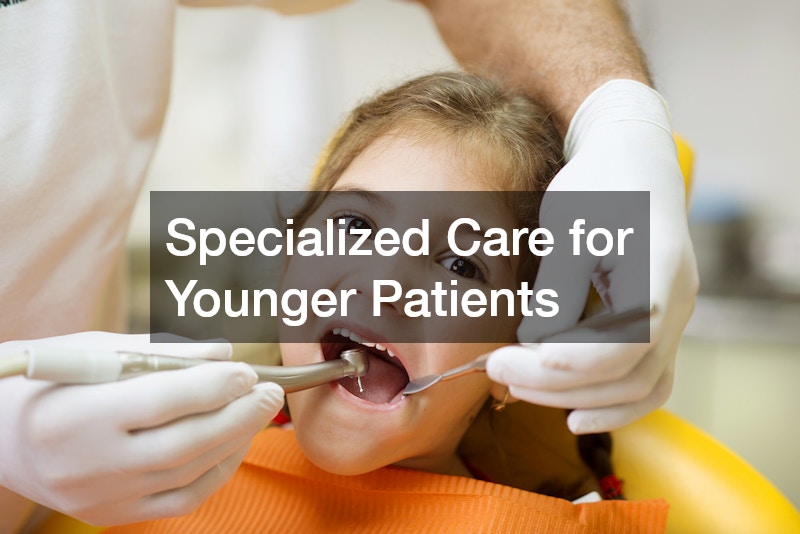
Children are not just small adults; they have unique physiological and emotional needs when it comes to clinical visits. Creating a positive experience early on prevents “dentist anxiety” later in life.
Creating a Child-Friendly Environment
Providers specializing in pediatric dentistry often have offices designed to put children at ease, featuring bright colors, toys, and smaller equipment. This environment helps normalize the experience of oral healthcare.
Developmental Monitoring
Specialists track the growth of the jaw and the eruption of permanent teeth. Identifying issues like tongue-tie or potential crowding early on can simplify future orthodontic needs.
Habit Counseling
From thumb sucking to “bottle rot,” pediatric specialists help parents navigate the habits that can impact oral development. They provide non-judgmental support and practical strategies for breaking harmful cycles.
Nitrous Oxide and Gentle Sedation
For children who are particularly anxious or require extensive work, safe sedation options like “laughing gas” are available. This ensures the child remains calm and the procedure can be completed safely.
Handling Urgent Situations
Accidents happen, and when they do, time is of the essence. Knowing where to go when a tooth is knocked out or a sudden pain occurs can save a tooth that might otherwise be lost.
Managing Acute Pain
Rapid access to emergency dental services is vital for dealing with sudden abscesses or severe toothaches. These clinicians prioritize patients in pain, providing immediate relief and identifying the root cause of the discomfort.
Repairing Fractured Teeth
Whether from a sports injury or biting down on something hard, a cracked tooth is a dental emergency. Prompt treatment can prevent the crack from reaching the nerve and necessitating a root canal.
Replanting Avulsed Teeth
If a tooth is completely knocked out, there is a small window of time (usually about an hour) where it can be successfully replanted. Keeping the tooth moist and getting to a clinic immediately is critical.
Lost Crowns or Fillings
While not always painful, a lost restoration leaves the inner parts of the tooth vulnerable to bacteria. Emergency clinics can provide temporary replacements to protect the tooth until a permanent solution is available. Seeking out emergency dental services as quickly as possible ensures that the structural integrity of the natural tooth is preserved and the risk of a deep-seated infection is minimized.
The journey toward a perfect smile is paved with various levels of care, from the routine to the complex. By understanding the roles of different specialists and the importance of both preventative and restorative measures, you can take control of your oral health with confidence. Modern technology and specialized fields have made it possible to overcome almost any dental challenge, ensuring that a healthy, functional, and beautiful smile is accessible to everyone at every stage of life. Investing in your mouth is truly an investment in your overall quality of life.