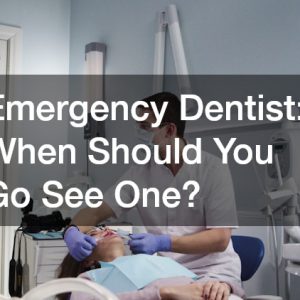
Gum disease, also known as periodontal disease, is one of the most prevalent oral health conditions worldwide. Left untreated, it leads to chronic inflammation, receding gums, bone loss, and ultimately tooth loss. For decades, the standard surgical treatment for advanced periodontitis involved traditional osseous surgery—a mechanical procedure where a periodontist cuts open the gum tissue with a scalpel, pulls it back to scrub clean the tooth roots, and stitches it back together.
While effective, traditional surgery often comes with significant discomfort, bleeding, extended recovery times, and permanent gum recession. Fortunately, advances in dental technology have introduced a far gentler, minimally invasive alternative: laser gum therapy.
Periodontal disease develops when plaque and tartar build up beneath the gumline, creating pockets where harmful bacteria thrive. As infection grows, these deep pockets destroy the surrounding soft tissue and jawbone supporting your teeth.
In modern periodontal practices, lasers utilize highly focused light energy to target and eliminate diseased tissue without harming healthy surrounding gums. During the treatment, a thin optical fiber—roughly the thickness of three human hairs—is gently inserted into the deep gap between the tooth and the gum.
The laser light operates at a specific wavelength that selectively targets pigmented, infected tissue and bacteria while leaving healthy, clear connective tissue completely intact. Once the diseased lining and bacteria are vaporized, ultrasonic scalers clear away calculus deposits from the root surfaces. The laser is then passed over the area a second time to sterilize the pocket and stimulate a natural blood clot, which seals the site against re-infection and creates an ideal environment for bone and tissue regeneration.
Traditional Scalpel Surgery vs. Laser Surgery
To understand why so many patients opt for advanced laser procedures, it helps to compare the two approaches directly. Traditional osseous surgery relies on scalpels, bone chisels, and sutures, requiring the doctor to cut and reshape healthy tissue to access deep infection. This approach frequently causes moderate to severe bleeding, noticeable facial swelling, and post-operative pain that requires prescription medication for several days. Full recovery often stretches from two to four weeks with strict dietary restrictions, and tissue loss routinely leads to permanent gum recession and visible tooth exposure.
By contrast, modern periodontal laser treatment uses focused light energy and micro-thin optical fibers, eliminating the need for cutting or stitching. The laser selectively targets diseased areas while preserving healthy surrounding tissue. Blood vessels are instantly cauterized on contact, resulting in minimal bleeding, little to no swelling, and significantly less post-procedure discomfort that can typically be managed with over-the-counter pain relievers. Most patients recover fully within 24 to 48 hours while maintaining their natural gum height and smile aesthetics.
The Primary Benefits of Laser Treatment
Choosing modern laser gum therapy offers several transformative clinical benefits that directly enhance patient comfort and treatment outcomes. First, because there is no cutting or stitching required, patients experience far less physical trauma and post-operative pain compared to scalpel surgery. Second, unlike traditional surgery that removes diseased gum tissue entirely, lasers stimulate the stem cells in the periodontal ligament, encouraging actual bone regeneration around natural teeth.
What to Expect Before, During, and After the Procedure
Before the Procedure
Your periodontist will begin with a comprehensive clinical exam, taking digital X-rays and measuring the depth of your periodontal pockets with a small probe. This mapping determines the exact stage of periodontitis and guides the laser settings required for your specific condition.
During the Procedure
The treatment area is numbed using local anesthetic. Your periodontist then guides the laser fiber along the gumline to cleanse the pockets. Because the process is precise and quiet—devoid of the high-pitched drills or scraping sounds associated with older techniques—most patients find the experience surprisingly relaxing.
Recovery and Aftercare
Post-procedure recovery is remarkably simple. You will likely be instructed to stick to a soft food diet for several days to avoid disturbing the healing blood clots around your teeth. Good oral hygiene remains essential, though you will soft-brush or use special antimicrobial rinses around the treated areas during the initial recovery phase.
If you have been diagnosed with moderate to severe periodontitis, experiencing symptoms like bleeding gums, persistent bad breath, or loose teeth, seeking laser gum therapy could save your natural dentition without the discomfort of conventional surgery. Consult a licensed periodontist trained in advanced laser technology to evaluate your options and determine whether laser surgery is the ideal step toward restoring your oral health.
Maintaining a healthy smile is a lifelong journey that involves much more than just brushing and flossing at home. The field of oral healthcare has evolved into a…
The landscape of modern healthcare is constantly shifting, but few fields have seen as much radical transformation as dentistry. What was once a profession focused primarily on extraction…
Cosmetic dentistry has grown in popularity over the past few decades, becoming a major aspect of regular dental practices. It focuses primarily on improving the appearance of a…
Becoming an orthodontist requires a long, rigorous, and highly specialized educational path. This profession involves far more than simply applying braces or aligning teeth. Orthodontists diagnose, prevent, and…
Understanding when to seek immediate dental care can be crucial for your oral health. This article explores the common scenarios where visiting an emergency dentist is advisable. Recognizing…
The Importance of Regular Dental Cleanings for Overall Health Understanding the importance of dental hygiene and its impact on overall health is essential. Many people view dental cleanings…