For many people, dental care is something they think about only when there’s pain or a visible issue. But modern healthcare has shifted toward a more comprehensive approach, recognizing how closely the mouth is connected to the rest of the body. Your teeth, jaw, and oral health influence everything from how you eat and speak to how you carry yourself physically each day. The condition of your mouth can also impact your confidence, social interactions, and even your ability to focus and perform at work or school.
Comprehensive care goes beyond quick fixes. It takes a broader view, focusing on long-term health, function, and comfort. By understanding how different systems in the body interact, patients can make better decisions that support not only their smile but also their overall well-being. This approach encourages regular preventive care, early intervention, and collaboration with other healthcare providers, all of which help you maintain a healthier lifestyle and prevent minor problems from becoming major concerns.
Understanding the Connection Between Oral Health and the Body

Oral health is not isolated from the rest of the body. Infections, inflammation, and structural issues in the mouth can affect overall health in ways that are often overlooked. For example, missing or damaged teeth can make it difficult to chew properly, which impacts digestion and nutrition over time. This seemingly small issue can lead to broader concerns such as fatigue, poor nutrient absorption, and even weight changes.
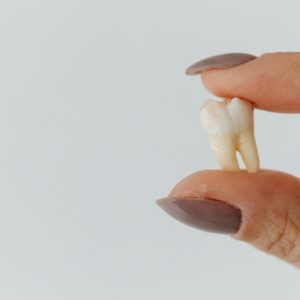
Solutions like dental implant services are not just about restoring appearance. They help maintain proper bite alignment, improve chewing efficiency, and support the jaw’s structure. These restorations are often carefully crafted with the support of a dental lab, where precision and customization ensure a proper fit and long-lasting results. When these issues are addressed early, patients often experience improvements in both comfort and function, as well as confidence in their daily lives.
Beyond that, untreated oral issues can contribute to broader health concerns. Chronic inflammation in the mouth has been linked to conditions such as cardiovascular problems and diabetes. While these connections are still being studied, the evidence continues to highlight the importance of oral health to overall wellness. Poor oral health can also affect the immune response, making it harder for the body to fight infections and recover from illness.
The Role of Precision and Technology in Modern Care
Oral health is not isolated from the rest of the body. Infections, inflammation, and structural issues in the mouth can affect overall health in ways that are often overlooked. For example, missing or damaged teeth can make it difficult to chew properly, which impacts digestion and nutrition over time. This seemingly small issue can lead to broader concerns such as fatigue, poor nutrient absorption, and even weight changes.
Solutions like dental implant services are not just about restoring appearance. They help maintain proper bite alignment, improve chewing efficiency, and support the jaw’s structure. When these issues are addressed early, patients often experience improvements in both comfort and function, as well as confidence in their daily lives.
Beyond that, untreated oral issues can contribute to broader health concerns. Chronic inflammation in the mouth has been linked to conditions such as cardiovascular problems and diabetes. While these connections are still being studied, the evidence continues to highlight the importance of oral health to overall wellness. Poor oral health can also affect the immune response, making it harder for the body to fight infections and recover from illness.
Common ways oral health can affect the body include:
- Difficulty chewing, leading to digestive issues
- Increased inflammation that may affect other organs
- Higher risk of infections spreading beyond the mouth
- Strain on the jaw, which can contribute to headaches or discomfort
- Reduced confidence that impacts social and mental well-being
Taking a proactive approach allows individuals to stay ahead of these issues. Regular evaluations, combined with early intervention, help reduce the likelihood of complications and create a stronger foundation for long-term health. Preventive care not only protects your smile but also supports your overall quality of life by keeping your body functioning at its best.
Improving Function and Alignment for Better Health
Alignment plays a significant role in how the body functions. When teeth are misaligned, it can affect chewing, speech, and even breathing.
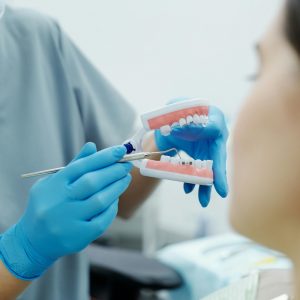
Braces treatment is often used to correct these issues, helping create a balanced, functional bite that supports overall health, not just appearance.
Misalignment can lead to uneven tooth wear, jaw strain, and discomfort over time. These issues may start small but can become more serious if left unaddressed, sometimes contributing to chronic pain or difficulty performing everyday tasks. By correcting alignment early, patients can prevent long-term damage and improve overall function.
Another important benefit of proper alignment is improved hygiene. Straight teeth are easier to clean, reducing the risk of cavities and gum disease. This makes orthodontic care an important part of a preventive health strategy, helping to minimize the need for more extensive treatments in the future.
Additionally, alignment can influence facial structure and muscle balance. When the bite is corrected, it can relieve pressure on surrounding muscles, reducing tension and improving comfort throughout the face and jaw. This often leads to better posture in the head and neck, which can positively affect the rest of the body.
Key benefits of proper alignment include:
- Improved chewing efficiency and digestion
- Reduced strain on the jaw and surrounding muscles
- Lower risk of tooth damage and uneven wear
- Easier daily oral hygiene and maintenance
- Enhanced speech clarity and comfort
- Better overall facial balance and symmetry
Taking the time to address alignment early helps create a more stable and healthy foundation for the future. It not only improves mouth function but also supports long-term comfort, confidence, and overall well-being.
Supporting Your Body Through Proper Alignment

The way your teeth and jaw align can influence your posture and overall body mechanics.
Custom orthotic services are often used to support proper alignment, particularly for individuals experiencing discomfort related to posture or movement.
When the body is properly aligned, it reduces strain on muscles and joints. This can improve comfort during daily activities and reduce the risk of injury. For individuals who spend long hours sitting or standing, proper support can make a significant difference in how they feel at the end of the day.
There is also a connection between jaw alignment and overall posture. When the jaw is misaligned, it can shift the head’s position, which in turn affects the neck and spine. Over time, this can lead to discomfort and reduced mobility.
Integrating care across different areas of health enables a more comprehensive approach. By considering how the mouth, jaw, and body work together, patients can achieve better outcomes and improved quality of life.
This type of care emphasizes prevention and long-term stability rather than temporary fixes.
Recognizing the Link Between Vision and Oral Health
Vision is another factor that can influence overall health and posture. A
local optometrist can help identify issues that may contribute to strain or discomfort. Poor vision often leads individuals to adjust their posture, which can create tension in the neck and shoulders.
Choosing the right
eyewear ensures that vision is properly corrected, reducing unnecessary strain. This can help prevent headaches and improve overall comfort, especially for those who spend extended periods reading, working on screens, or focusing on detailed tasks.
When vision issues go uncorrected, they can trigger a chain reaction of discomfort that spreads to other parts of the body. This highlights the importance of addressing all aspects of health in a coordinated way.
By working with professionals across different disciplines, patients can identify and address the root causes of discomfort rather than just treating symptoms.
This integrated approach leads to more effective and lasting results.
Addressing Pain Through a Whole-Body Approach
Pain is often a signal that something is out of balance. A
chiropractor can help address issues related to alignment and musculoskeletal health, which may be connected to dental concerns.
For example, jaw alignment can affect spinal alignment, leading to neck and back discomfort. By correcting these imbalances, patients can experience relief that extends beyond the immediate area of concern.
A whole-body approach considers how different systems interact. Instead of focusing on a single area, it looks at how the body functions as a whole. This perspective enables a more comprehensive approach and better long-term outcomes.
Collaboration between providers ensures that care is consistent and aligned with the patient’s needs. This teamwork helps create a more efficient and effective path to recovery.
Managing Discomfort That Starts Beyond the Teeth

Not all discomfort originates in the mouth, but it can still be related to dental issues.
Headache remedies often involve addressing jaw tension or misalignment that contributes to strain.
Jaw clenching and grinding are common causes of headaches. These habits can create pressure that radiates to other areas of the head and neck, leading to persistent discomfort.
Identifying these patterns is an important step in finding effective solutions. Once the source of the issue is understood, treatment can be tailored to address it directly.
This might include adjustments to alignment, stress management techniques, or protective devices that reduce strain during sleep.
Understanding these connections allows patients to take a more informed approach to their health, leading to better results and improved comfort.
Exploring Alternative Therapies for Lasting Relief
In addition to traditional treatments, alternative approaches can provide valuable support.
Acupuncture treatment is one option that has gained popularity for its ability to reduce pain and promote relaxation.
These therapies can complement other forms of care, helping to address issues that may not respond to conventional treatments alone. By targeting specific points in the body, acupuncture can help improve circulation, reduce tension, and support the body’s natural healing processes.
Patients often find that combining different approaches leads to better results. This flexibility allows individuals to explore options that work best for their unique needs.
The goal is not to replace traditional care, but to enhance it. By incorporating alternative therapies, patients can create a more balanced and effective treatment plan.
Understanding the Impact of Alignment on Daily Comfort
Alignment affects more than just appearance. It influences how you move, sit, and perform everyday tasks.
Back pain is often linked to poor posture or body imbalances, which can be related to dental issues.
When the jaw is misaligned, it can create tension that affects the entire body. Over time, this can lead to chronic discomfort and reduced mobility.
Addressing these issues early helps prevent long-term problems. By maintaining proper alignment, individuals can improve their overall comfort and reduce the risk of injury.
Simple habits, such as maintaining good posture and staying active, also support alignment. Combined with professional care, these practices help create a strong foundation for long-term health.
Creating a Coordinated Care Plan That Works

A coordinated approach brings together different areas of care to support overall health. Dental implant services can be part of a larger plan that includes other treatments and lifestyle adjustments.
Working with a team of professionals allows patients to receive comprehensive care that addresses multiple aspects of health. This collaboration ensures that treatments are aligned and that progress is monitored effectively.
Planning for the future is also an important part of comprehensive care. By taking a proactive approach, patients can prevent issues before they become more serious.
This long-term perspective helps individuals maintain both oral health and overall well-being, creating a more balanced and sustainable approach to care.
Comprehensive care is about more than treating individual issues. It is about understanding how different parts of the body work together and coordinating their actions. By focusing on long-term health and function, patients can achieve better outcomes and a higher quality of life.
When oral health is viewed as part of a larger system, it becomes easier to recognize how small issues can impact overall wellness. Addressing concerns early, whether they involve alignment, discomfort, or function, can prevent more serious complications down the line. This proactive mindset not only supports physical health but also improves confidence, daily comfort, and overall well-being.
Working with a team of professionals who understand these connections allows for more personalized and effective care. Instead of treating symptoms in isolation, comprehensive care focuses on identifying root causes and creating solutions that last. This approach helps patients feel more in control of their health and better equipped to maintain it over time.
Taking a proactive, whole-body approach ensures that care extends far beyond your smile, supporting a healthier, more balanced life for years to come.