A loose tooth in adults is often a cause for concern — unlike kids who expect it when they’re losing baby teeth, adults typically want to keep their teeth for life. If you find yourself wondering why a tooth is loose or whether it’s serious, you’re not alone. In this article, we’ll break down the common stages of a loose tooth in adults, what might be causing it, and when it’s time to see a dentist immediately.
Why Are Teeth Loose in Adults?
Unlike children, adults have permanent teeth, so a loose tooth usually signals a problem. Some common reasons why an adult tooth might become loose include:
- Gum disease (periodontitis): Infection and inflammation of gums that damage the supporting bone.
- Trauma or injury: A hit or accident can loosen a tooth.
- Bruxism (teeth grinding): Excessive grinding wears down the tooth and surrounding tissue.
- Osteoporosis or bone loss: Conditions that weaken the jawbone.
- Medical conditions: Diabetes, certain medications, or autoimmune diseases.
- Orthodontic treatment: Teeth may shift during braces or aligner use.
- Infection or abscess: Bacterial infection weakening tooth support.
Understanding why your tooth is loose can help you respond appropriately and avoid further damage.
What Are the Stages of a Loose Tooth in Adults?

A loose tooth in an adult rarely appears suddenly without underlying causes. Instead, it usually progresses gradually as the supporting structures—like gums, ligaments, and bone—become compromised. Recognizing the different stages can help you act before the problem worsens. Here’s a detailed breakdown of each stage and what’s going on inside your mouth.
Stage 1: Slight Mobility
What it feels like:
At this early stage, you might notice a very subtle wiggle or looseness in the tooth when you apply gentle pressure with your tongue or finger. This movement is usually so slight that it may go unnoticed or feel normal. Importantly, there is typically no pain or discomfort during this phase.
What’s happening:
This slight mobility usually signals the very first signs of trouble. The ligaments (called periodontal ligaments) that anchor the tooth to the jawbone are beginning to weaken. This weakening can be caused by mild gum inflammation (gingivitis) or minor trauma, such as an accidental bump or aggressive brushing. The bone supporting the tooth is still intact, but the surrounding soft tissue might be inflamed or irritated.
Signs to watch:
- Mild tenderness or sensitivity in the gums around the tooth, especially when brushing or flossing.
- Slight bleeding of the gums during oral hygiene routines.
- A feeling of looseness only when you press directly on the tooth (not spontaneously loose).
- Early signs of plaque buildup or gum redness.
At this stage, intervention can often reverse the problem before permanent damage occurs.
Stage 2: Moderate Looseness with Discomfort
What it feels like:
As the condition progresses, the tooth becomes noticeably more mobile. You might feel the tooth shift slightly during everyday activities such as chewing, biting, or even talking. This movement may start to cause discomfort or a dull ache, particularly when biting down or applying pressure to the tooth.
What’s happening:
By now, the underlying cause—most commonly an infection from gum disease—is damaging the periodontal ligament and beginning to erode the underlying jawbone that holds the tooth in place. This bone loss reduces the tooth’s stability. Inflammation has increased, and the gums may be more sensitive and swollen. Sometimes, food particles trapped in inflamed pockets worsen the infection.
Signs to watch:
- Noticeable gum swelling and redness around the tooth.
- Increased bleeding during brushing, flossing, or spontaneously.
- Bad breath or a bad taste in the mouth, often from bacterial infection.
- Sensitivity to hot, cold, or sweet foods and drinks.
- Tooth mobility that worsens with pressure or during chewing.
- Possible mild gum recession exposing more of the tooth root.
This stage indicates the problem is advancing and professional dental care is needed to stop further damage.
Stage 3: Severe Looseness and Pain
What it feels like:
At this point, the tooth feels very loose and may shift easily with little or no pressure. Pain becomes more intense—sharp, throbbing, or constant—and often worsens when eating, drinking, or touching the tooth. The discomfort may even affect surrounding teeth or radiate into the jaw.
What’s happening:
Significant bone loss has occurred, and the ligament holding the tooth is severely compromised. Infection or trauma has caused the tooth to lose almost all of its natural support. Pockets around the tooth deepen, often filling with pus (a sign of abscess formation), which causes swelling and increased pressure in the area. This swelling can extend to the face or jaw, sometimes causing difficulty opening the mouth or swallowing.
Signs to watch:
- Gum tissue around the tooth may be swollen, red, and tender to the touch.
- Presence of pus or discharge near the gumline.
- Foul odor or bad taste from infected areas.
- Fever or general feeling of illness if the infection is systemic.
- Tooth visibly shifts or feels like it may “fall out” with minimal force.
- Swelling that spreads beyond the gum to the cheek, jaw, or neck.
At this stage, delaying treatment can result in serious complications and tooth loss.
Stage 4: Tooth Loss or Emergency
What it feels like:
This is the final and most severe stage. The tooth may become so loose that it falls out naturally, or it may need to be removed surgically by your dentist. If still in place, it often causes severe pain, swelling, and bleeding. You may experience difficulty chewing, talking, or even closing your mouth comfortably.
What’s happening:
The bone and soft tissue support are almost completely gone. The tooth has essentially lost its anchor and can no longer function as part of your bite. Infection might have spread into adjacent tissues, increasing risks to your overall health. In some cases, the infection can enter the bloodstream, causing serious systemic effects.
Signs to watch:
- Severe pain that may be constant or throbbing.
- Extensive swelling of the gums, jaw, or face.
- Continuous bleeding that does not stop with basic home care.
- Tooth visibly loose to the point of detachment.
- Inability to eat, speak, or close the mouth properly.
- Fever, chills, or other systemic symptoms indicating spreading infection.
This stage demands immediate emergency dental intervention to prevent further health risks.
When Does a Loose Tooth Become a Dental Emergency?
Not all loose teeth require an urgent trip to the dentist, but certain warning signs signal a dental emergency. Prompt action can save your tooth and prevent dangerous complications.
Here are key signs your loose tooth has become an emergency:
Severe Pain or Swelling
Sharp or throbbing tooth pain that worsens rapidly, especially with swelling around the face, jaw, or neck. This could indicate an abscess or spreading infection that requires urgent treatment.
Persistent or Heavy Bleeding
If your gums bleed uncontrollably or bleeding continues despite applying pressure, it could be a sign of trauma or severe infection needing immediate care.
Trauma With a Knocked-Out Tooth
A tooth that’s been knocked out entirely (avulsed) after an injury is a true emergency. The chances of saving the tooth are highest if you seek dental care within the first hour.
Difficulty Eating, Drinking, or Speaking
If tooth looseness affects your ability to chew or causes speech problems, this impacts your daily life and suggests the problem is severe enough to warrant quick attention.
Fever or General Feeling of Illness
These systemic symptoms may mean the infection is spreading beyond the mouth, requiring urgent medical and dental intervention.
If you notice any of the above symptoms, don’t wait. Call your dentist or go to the nearest emergency dental clinic immediately. Immediate professional care can save your tooth, relieve pain, and protect your overall health.
How Can You Tell if Your Loose Tooth Is Serious?
Some loose teeth can be minor and temporary, while others require urgent treatment. Ask yourself:
- Is the tooth painful?
- Is there swelling or pus around the tooth?
- Is the tooth movement worsening quickly?
- Are other symptoms present like fever or bad breath?
- Was there recent trauma or injury?
If you answer yes to any of these, don’t delay in consulting a dental professional.
What Happens If You Ignore a Loose Tooth?
Ignoring a loose tooth can lead to several complications:
- Permanent tooth loss: The tooth may fall out or need extraction.
- Spread of infection: Gum infections can reach other parts of the mouth or bloodstream.
- Bone loss: Damage to jawbone can worsen, complicating future treatments.
- Difficulty eating and speaking: Tooth instability affects function and quality of life.
- Increased dental costs: More complex procedures like implants or dentures may become necessary.
Early intervention is always better to protect your oral health.
What Are Common Causes Behind Loose Teeth in Adults?
Let’s dig a little deeper into some common causes behind loose adult teeth:
1. Gum Disease (Periodontal Disease)
- How it loosens teeth: Gum disease destroys gum tissue and the bone holding teeth.
- Common symptoms: Red, swollen gums; bad breath; bleeding when brushing; tooth mobility.
- Treatment: Professional cleaning, antibiotics, sometimes surgery.
2. Trauma or Injury
- How it loosens teeth: A sudden blow or accident can dislodge teeth.
- Common symptoms: Pain, bleeding, visible damage.
- Treatment: Stabilizing the tooth, sometimes splinting or extraction.
3. Bruxism (Teeth Grinding)
- How it loosens teeth: Constant grinding wears down enamel and damages ligaments.
- Common symptoms: Jaw pain, headaches, worn tooth surfaces.
- Treatment: Mouthguards, stress management.
4. Osteoporosis and Bone Loss
- How it loosens teeth: Weak bones mean less support for teeth.
- Common symptoms: No obvious signs early on, loose teeth develop.
- Treatment: Medications for bone health, dental monitoring.
5. Medical Conditions and Medications
- Diabetes and autoimmune diseases affect healing and increase infection risk.
- Certain medications can weaken bone or cause gum swelling.
6. Orthodontic Movement
- Teeth shift during braces or aligners, causing temporary looseness.
How Is a Loose Tooth Diagnosed?
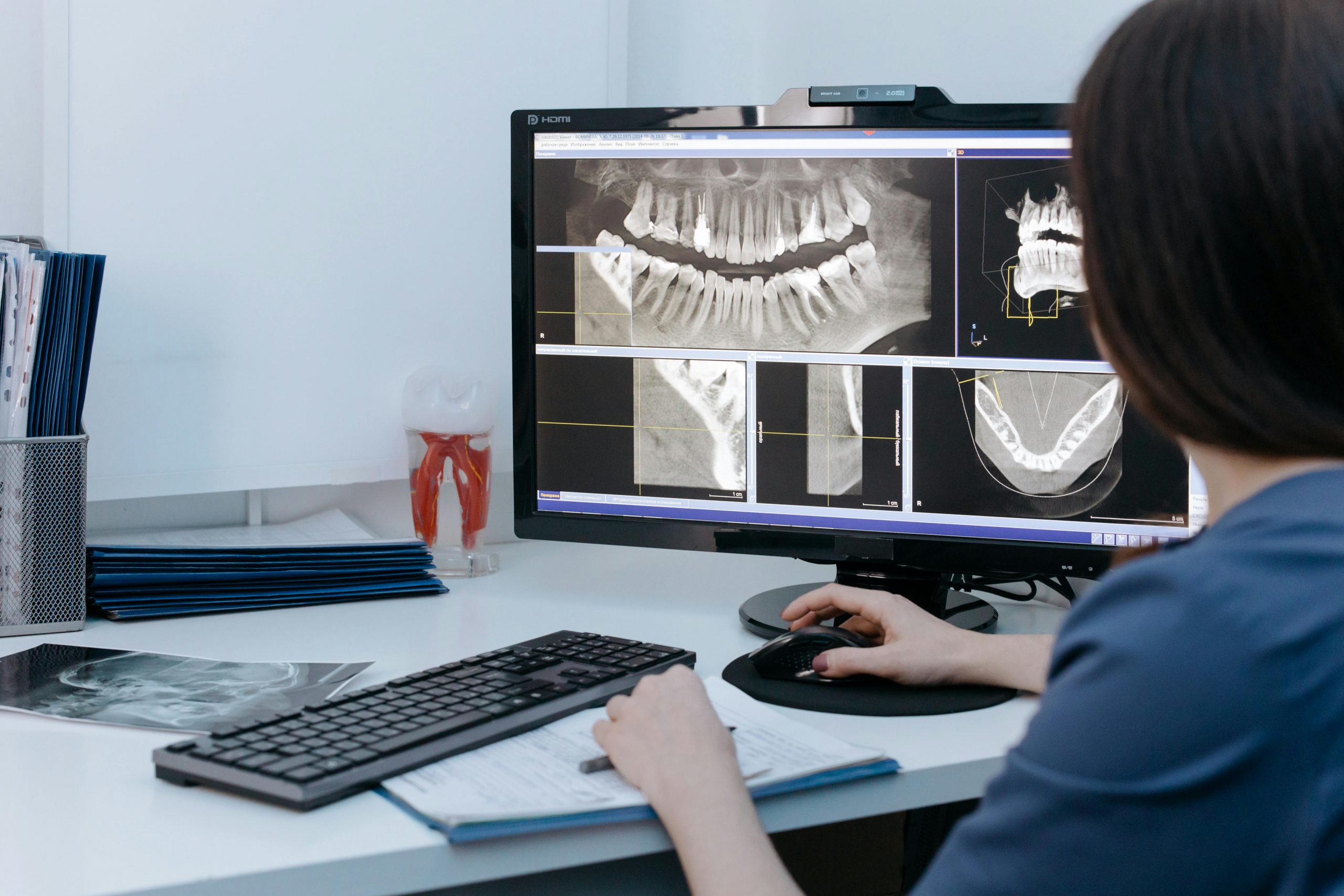
When you visit a dentist for a loose tooth, expect the following steps:
- Visual examination: Checking gums, tooth movement, and signs of infection.
- Probing the gums: To assess gum disease severity.
- X-rays: To see bone loss or abscesses.
- Medical history review: To check for contributing factors.
After diagnosis, your dentist will discuss treatment options based on the cause and severity.
What Treatments Are Available for a Loose Tooth?
The treatment depends largely on what stage the loose tooth is in and the underlying cause. Common treatments include:
Non-Emergency Treatments
- Deep cleaning (scaling and root planing): Removes plaque and tartar under gums.
- Antibiotics: To treat infections.
- Mouthguards: To prevent grinding.
- Splinting: Stabilizing the loose tooth by attaching it to neighboring teeth.
- Lifestyle changes: Better oral hygiene, quitting smoking.
Emergency Treatments
- Drainage of abscesses: To remove pus.
- Tooth extraction: If the tooth cannot be saved.
- Surgical interventions: Bone grafting or gum surgery.
- Root canal therapy: If nerve infection is present.
Can You Fix a Loose Tooth at Home?
While home care cannot fix a loose tooth, you can take steps to prevent worsening:
- Maintain good oral hygiene: Brush gently twice daily, floss carefully.
- Avoid chewing hard or sticky foods: Prevent further trauma.
- Use a soft-bristled toothbrush: To avoid irritating gums.
- Rinse with warm salt water: To reduce inflammation.
- Avoid smoking: It worsens gum disease.
- Visit your dentist promptly: Early professional care is critical.
How Can You Prevent Loose Teeth as an Adult?
Prevention is key to maintaining strong, healthy teeth. Here are practical tips:
- Regular dental checkups and cleanings: Catch problems early.
- Good oral hygiene routine: Brush, floss, and use mouthwash daily.
- Wear protective gear: Mouthguards during sports or if you grind teeth.
- Healthy diet: Limit sugary snacks and eat calcium-rich foods.
- Manage chronic conditions: Keep diabetes and other illnesses controlled.
- Avoid tobacco: Smoking increases gum disease risk.
- Address dental issues promptly: Don’t ignore bleeding gums or pain.
When Should You Call the Dentist About a Loose Tooth?
Contact your dentist immediately if you notice:
- Sudden looseness after injury or accident.
- Painful tooth movement.
- Swelling, pus, or bad smell.
- Fever or feeling unwell.
- Difficulty eating, drinking, or speaking.
Even mild looseness should be evaluated to avoid future complications.
Summary: Keep Your Smile Stable and Healthy
A loose tooth in adults is usually a warning sign of underlying issues — from gum disease to injury. Knowing the stages of a loose tooth can help you understand when the problem is serious and requires emergency dental care. Early diagnosis and treatment are essential to saving your tooth and preventing infection or bone loss.
Remember: good daily oral hygiene, regular dental visits, and prompt action at the first sign of trouble are your best defenses. If you have a loose tooth, don’t wait — talk to your dentist today.