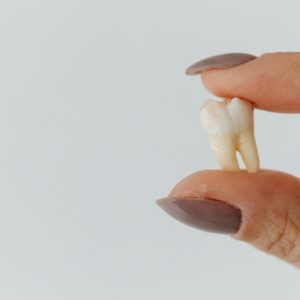
Seeing a loose tooth as an adult can catch you off guard. Unlike kids, who expect to lose teeth, adults usually want to keep theirs for good. So when a tooth starts feeling wobbly, it’s natural to wonder: Is this an emergency? Can it be saved, or is it already too late?
In this article, we’ll walk you through what causes loose teeth in adults, how to tell when you need to see a dentist fast, and what treatment options are out there. Whether your tooth loosened after an accident or gradually over time, this guide has you covered.
Why Does a Tooth Become Loose in Adults?
A loose tooth in adults isn’t normal and usually signals an underlying problem. Understanding the stages of a loose tooth in adults can help you recognize when a tooth is just starting to loosen and when it’s progressing to a more serious condition that requires immediate attention. Here are the most common reasons why a tooth becomes loose:
- Trauma or Injury: A blow to the face or a fall can damage the ligaments and bones holding the tooth in place.
- Gum Disease (Periodontitis): Infection causes inflammation and destruction of the gums and supporting bone.
- Poor Oral Hygiene: Plaque buildup leads to gum disease and weakens the tooth’s support.
- Bruxism (Teeth Grinding): Constant grinding or clenching can loosen teeth over time.
- Osteoporosis: This bone-weakening condition can affect jawbone density.
- Other Medical Conditions: Diabetes or autoimmune diseases can contribute to gum problems.
- Orthodontic Movement: Sometimes, teeth become temporarily loose during braces or aligner treatments as they shift position.
Understanding the cause is the first step to saving a loose tooth.
Is a Loose Tooth Always a Dental Emergency?

Not necessarily. The urgency depends on the cause and severity.
When to see a dentist immediately:
- Sudden tooth looseness following trauma or injury
- Severe pain or swelling accompanying the loose tooth
- Visible tooth displacement or change in bite
- Signs of infection such as pus, fever, or bad taste
- Loose baby tooth in a child that’s painful or bleeding heavily
When it’s less urgent but still important:
- Gradual loosening of a tooth without trauma
- Mild discomfort or sensitivity around the tooth
- Occasional bleeding gums and loose feeling
If you’re unsure, it’s always safer to schedule an appointment quickly. Early intervention can often save the tooth.
Can a Loose Tooth Be Saved? The Good News
In many cases, yes — a loose tooth can be saved, especially if the problem is addressed early. Your dentist’s goal is to stabilize the tooth, treat the underlying cause, and restore your oral health.
Treatment Options May Include:
- Splinting: The loose tooth is attached to neighboring teeth using a dental splint to hold it steady during healing.
- Deep Cleaning (Scaling and Root Planing): To treat gum disease by removing plaque and tartar below the gumline.
- Antibiotics or Medications: To manage infection or inflammation.
- Occlusal Adjustment: Grinding down high points to reduce pressure on the tooth.
- Surgical Procedures: In advanced gum disease, flap surgery or bone grafts might be necessary.
- Root Canal Therapy: If the tooth’s nerve is damaged or infected.
- Lifestyle Changes: Improving oral hygiene, quitting smoking, and managing systemic health conditions.
What Can You Do At Home Before Seeing the Dentist?
If your tooth is loose but you can’t get to the dentist right away, try these tips:
- Avoid Wiggling the Tooth: This can cause further damage.
- Eat Soft Foods: Stick to soups, smoothies, and mashed foods to avoid pressure.
- Maintain Good Oral Hygiene: Brush gently and floss carefully around the loose tooth.
- Rinse with Saltwater: This can help reduce bacteria and soothe gums.
- Avoid Tobacco and Alcohol: Both slow healing and worsen gum disease.
- Use Ice Packs: If there’s swelling from trauma, apply ice to reduce inflammation.
Remember, these steps are temporary measures — professional care is essential.
How Do Dentists Diagnose the Cause of a Loose Tooth?
At your appointment, your dentist will:
- Perform a Physical Exam: Check tooth mobility, gum health, and signs of trauma.
- Take X-rays: To see bone loss, root damage, or infection.
- Review Medical History: To identify any systemic conditions contributing to dental problems.
- Check Bite and Teeth Alignment: To assess pressure or grinding.
- Use Diagnostic Tools: Such as periodontal probes to measure gum pockets.
This comprehensive approach helps create a personalized treatment plan.
Can a Loose Tooth From Trauma Heal Without Extraction?
If a tooth becomes loose after an accident but the root and bone are still healthy, dentists can often save it. Here’s how:
- Repositioning: The dentist carefully moves the tooth back into the correct position.
- Splinting: A flexible splint stabilizes the tooth for several weeks.
- Monitoring Healing: Regular follow-ups to check for nerve damage or infection.
- Possible Root Canal: If the pulp is damaged, root canal therapy may be needed later.
With prompt care, many traumatic loose teeth can be saved without extraction.
What Happens If a Loose Tooth Isn’t Treated?
Ignoring a loose tooth can lead to:
- Increased Tooth Mobility: Leading to tooth loss.
- Spread of Infection: Potentially causing abscesses or bone loss.
- Difficulty Chewing or Speaking: Due to unstable teeth.
- Shifting of Adjacent Teeth: Causing bite problems.
- More Expensive Treatment: Such as implants or dentures in the future.
Delaying treatment reduces the chances of saving the tooth, so don’t wait.
How to Prevent Loose Teeth in the First Place

Preventing loose teeth is mostly about good oral health habits and timely care:
- Brush at least twice a day with fluoride toothpaste.
- Floss daily to remove plaque between teeth.
- Visit your dentist regularly for cleanings and checkups.
- Avoid tobacco products.
- Wear a mouthguard if you play contact sports.
- Manage medical conditions like diabetes.
- Limit sugary foods and drinks.
- Reduce teeth grinding by using a night guard if recommended.
FAQs About Loose Teeth and Dental Emergencies
Q: Can a loose tooth become loose again after treatment?
A: Yes, if underlying causes like gum disease aren’t fully addressed or if there is ongoing trauma.
Q: Are loose teeth painful?
A: They can be sensitive or painful, especially if infection or inflammation is present.
Q: How long does it take for a loose tooth to stabilize?
A: It depends on the treatment, but splinting usually lasts 2-4 weeks for healing.
Q: Is a loose tooth the same as a knocked-out tooth?
A: No. A loose tooth is still in the socket but unstable; a knocked-out tooth has been completely displaced.
The Bottom Line: Don’t Ignore a Loose Tooth
A loose tooth in adulthood should never be ignored. While it can be scary, the good news is that many loose teeth can be saved with prompt, proper care. Whether it’s caused by gum disease, trauma, or other health issues, seeing a dentist quickly is the best way to protect your smile.
Remember: early diagnosis, professional treatment, and consistent oral care are key to keeping your teeth healthy for life.